

Have you ever noticed how much calmer you feel when your day has a clear plan? Or conversely, how quickly things can spiral into chaos and overwhelm when that structure falls apart?
There's a deep-seated biological reason for this. Our brains aren't built for the constant, unpredictable stream of information and decisions of modern life. They are, at their core, pattern-recognition machines built for survival. Predictability isn't just a preference; it's a tool our brains use to conserve energy.
When your brain knows what to expect, it can relax its high-alert status, which helps regulate your stress response system. This frees up precious mental energy for the things that truly require your focus. Structure, in essence, gives your brain the stability it needs to function at its best.
The High Cost of "Decision Fatigue"
Without a framework, your brain is forced to work overtime, processing an endless stream of small decisions: What to wear? When to check email? What to eat for lunch?
Each of these seemingly minor choices drains a small amount of your mental energy. Think of your brain as a battery that starts full each morning. By the end of a day filled with constant, unstructured decision-making, that battery is running on empty.
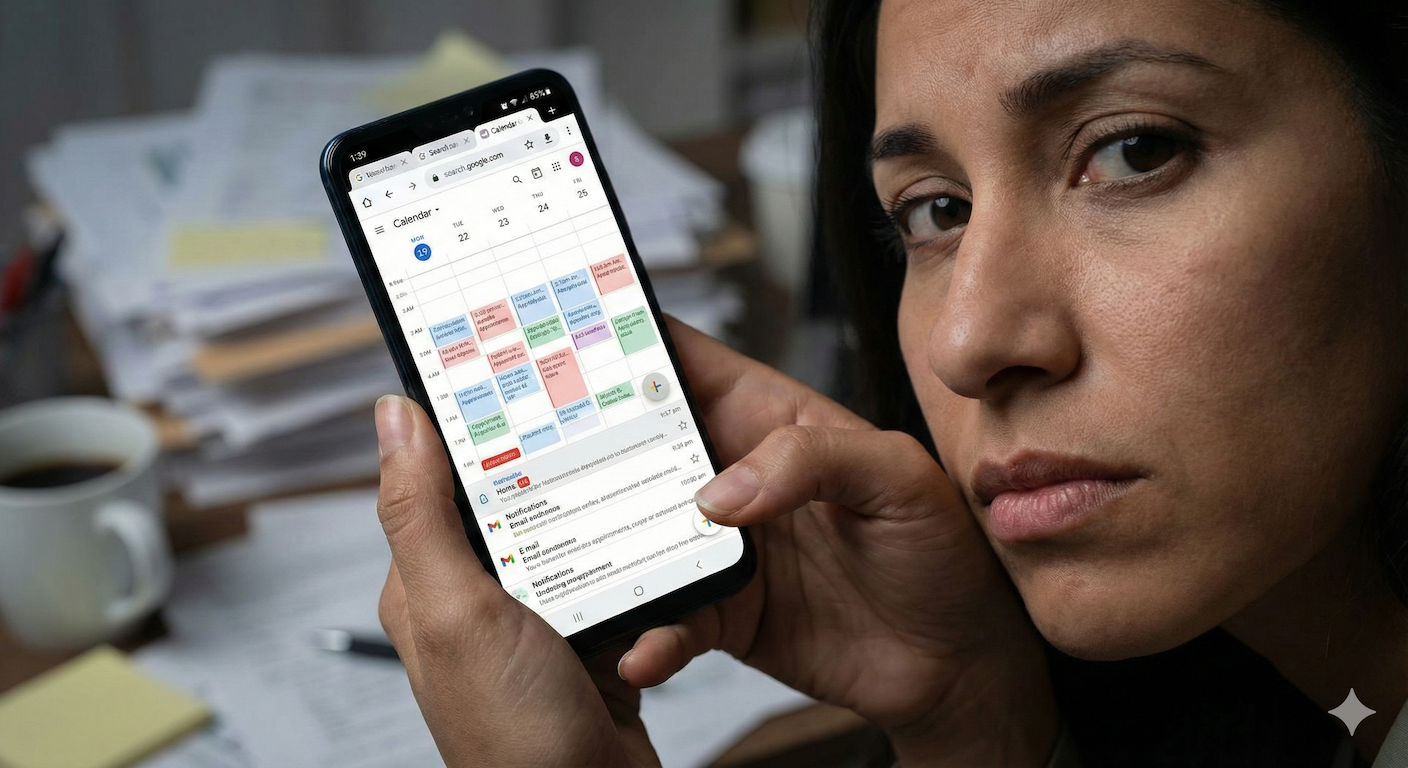
This is "decision fatigue," and it's when our emotional regulation takes a nosedive. We become more irritable, more likely to procrastinate, and get stuck in a loop of feeling overwhelmed. It’s why you hear about successful people like Mark Zuckerberg or Barack Obama famously wearing the same outfits—they are strategically eliminating unnecessary decisions to preserve their mental energy for bigger things.
How to Build a Brain-Friendly Structure
This isn't about creating a rigid, minute-by-minute schedule that breaks at the first sign of friction. It's about building a flexible framework that works with your brain, not against it.
Here are a few powerful strategies you can implement:
-
Create "Defaults" and Batch Tasks:
Reduce your daily decision load by making common choices automatic. This could mean having the same healthy breakfast every morning or following a set 15-minute routine when you wake up. You can also "batch" similar tasks: instead of checking email 20 times a day, designate two or three specific times to handle them all at once. Do the same for errands, grouping them into one efficient trip.
-
Try Time Blocking (Aligned with Your Energy):
Time blocking is a method of scheduling your day in a way that respects your brain's natural rhythms. If you're most alert and focused in the morning, block that time for your most important, deep work. Save lower-effort tasks, like answering emails or tidying up, for when your energy naturally dips in the afternoon.
-
Establish "Anchor Points":
Instead of a rigid schedule, create a few key "anchor points" that happen at roughly the same time every day. This could be your morning coffee and journaling, a 30-minute walk at lunch, and a set wind-down routine before bed. These anchors give your day a sense of stability, even if the details in between them shift.

-
Use "If-Then" Planning:
Life is unpredictable. "If-then" planning helps you respond to disruptions without feeling derailed. For example: "If my morning meeting runs late, then I'll use my scheduled lunch break for that focused work." This gives you a pre-made decision, short-circuiting anxiety.
-
Embrace the 2-Minute Rule:
This one is simple but incredibly effective. If a task pops up that will take less than two minutes, do it immediately. This prevents the massive "cognitive load" that comes from dozens of tiny, unfinished tasks (like "resend that email" or "make that appointment") floating around in your head, draining your focus.
The goal of all this is to create a foundation for resilience. When your brain isn't constantly scrambling to manage basic decisions, it has more resources available to handle life's bigger challenges with clarity and calm.
Take Control of Your Lifestyle with Brooktree Consulting
Finding the right structure for your health, wellness, and daily life is the cornerstone of sustainable well-being. But it's not always easy to build that framework alone. At Brooktree Consulting, we focus on overall lifestyle management to help you create a life that's not just productive, but peaceful and fulfilling.
If you're tired of feeling overwhelmed and ready to build a structure that supports your goals, I'm here to help.
Schedule your complimentary discovery call today to learn how we can work together, or visit our website to learn more about becoming a client.
This article is based on the concepts by Dr. Tracey Marks





Responses